
-
Motif Embroidered Denim Long Shrug – Gravel
Regular price $56.00 USDRegular price -
Western Patchwork Kimono Top – Amber
Regular price $52.00 USDRegular price -
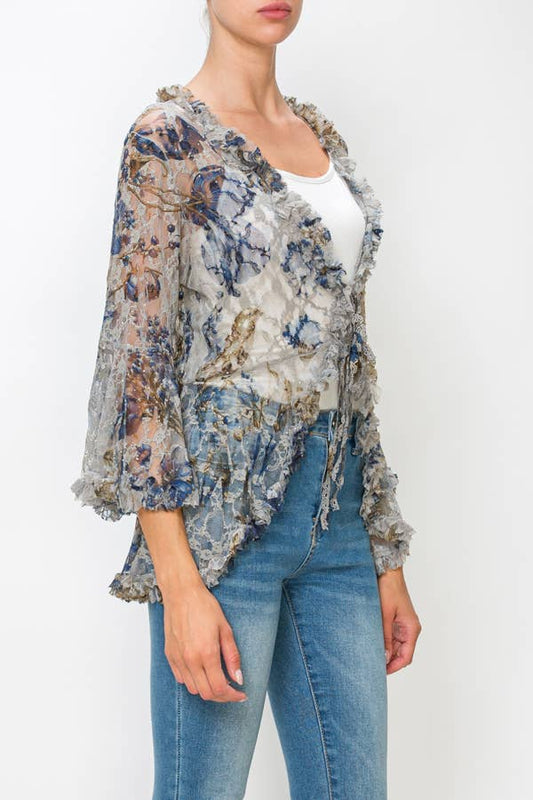
Sparkly Sheer Lace Tie-Front Cardigan - Gold Blue Floral
Regular price $54.00 USDRegular price -
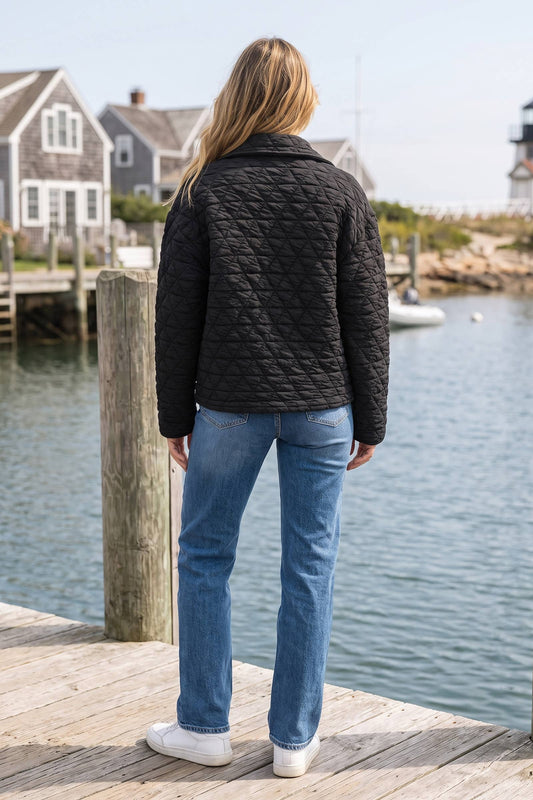
Quilted Snap Front Jacket - Black
Regular price $39.00 USDRegular price -
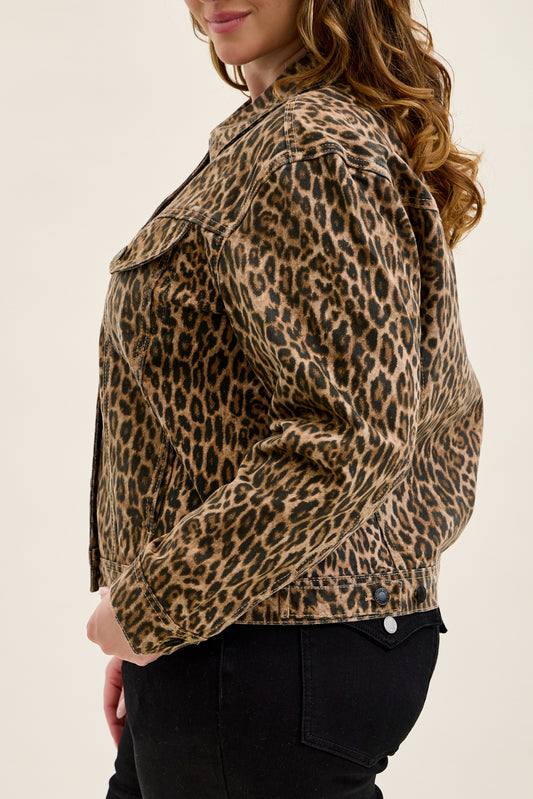
Leopard Print Rigid Denim Trucker Jacket - Plus Size
Regular price $75.00 USDRegular price -
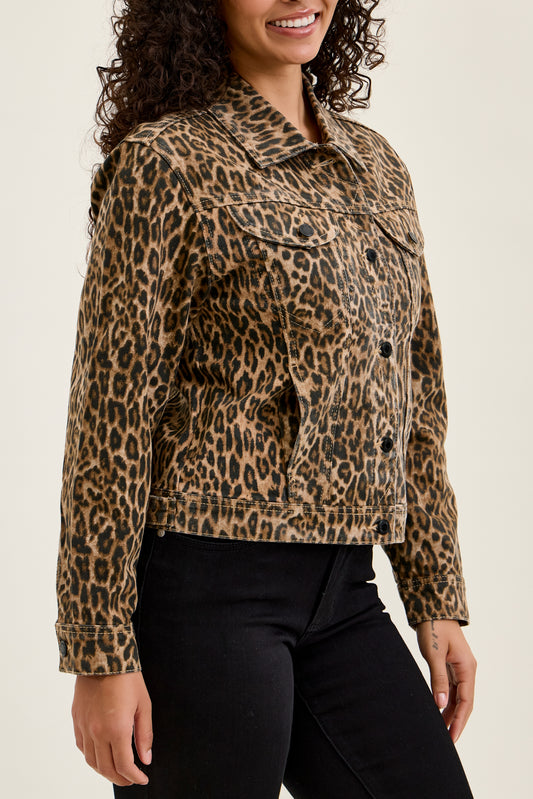
Leopard Print Rigid Denim Trucker Jacket
Regular price $75.00 USDRegular price -
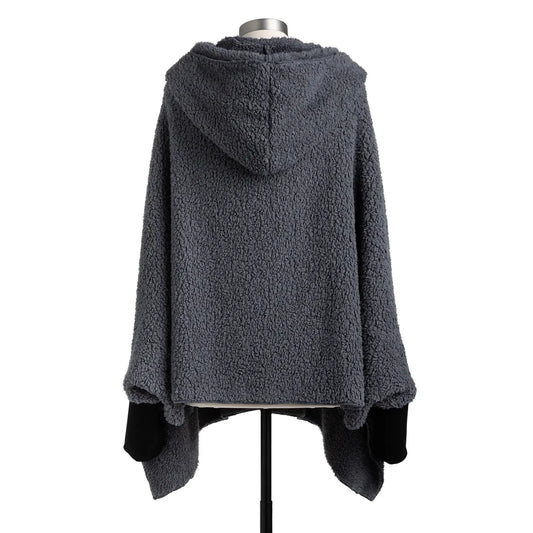
Sherpa Hooded Wrap with Cuffs - Charcoal
Regular price $36.00 USDRegular price -
Hooded Fringe Wrap with Pockets - Black
Regular price $36.00 USDRegular price -
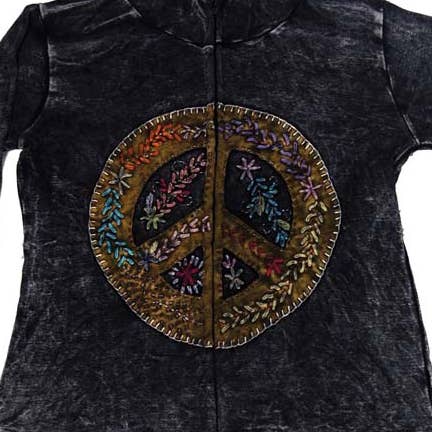
Embroidered Peace Sign Zip Hoodie Jacket
Regular price $43.00 USDRegular price -
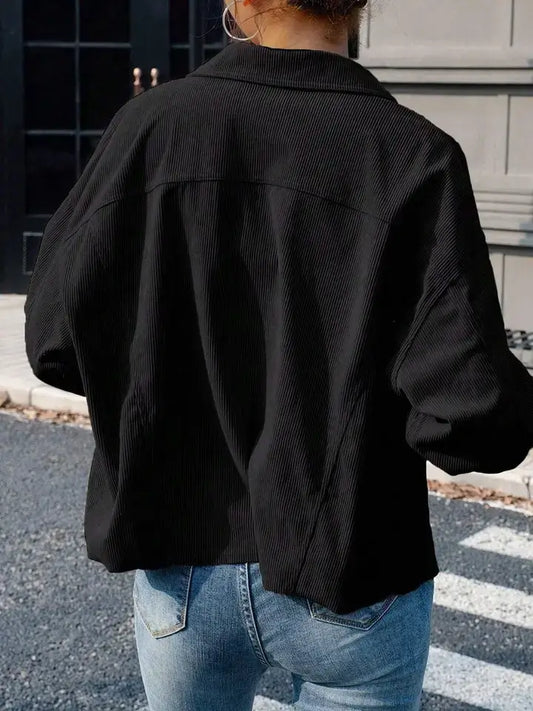
Corduroy Button Front Shacket - Black
Regular price $35.00 USDRegular price -
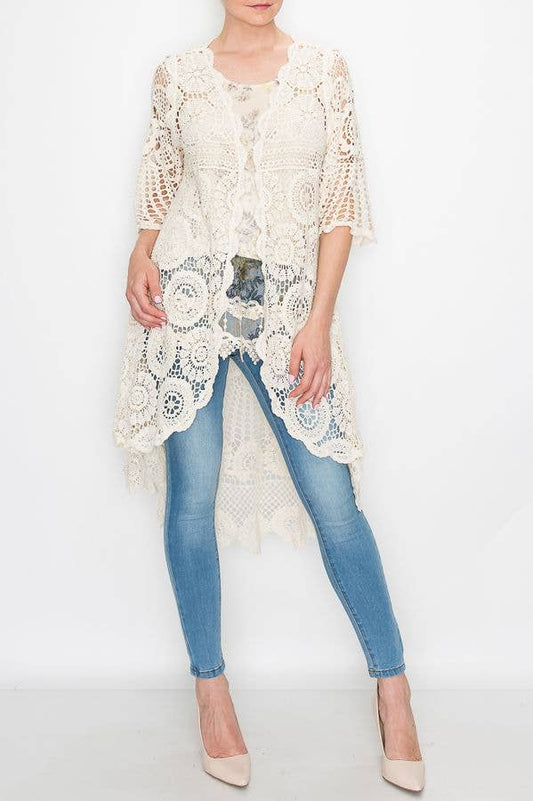
High-Low Crochet Cardigan with Scalloped Edges - Natural
Regular price $59.00 USDRegular price -
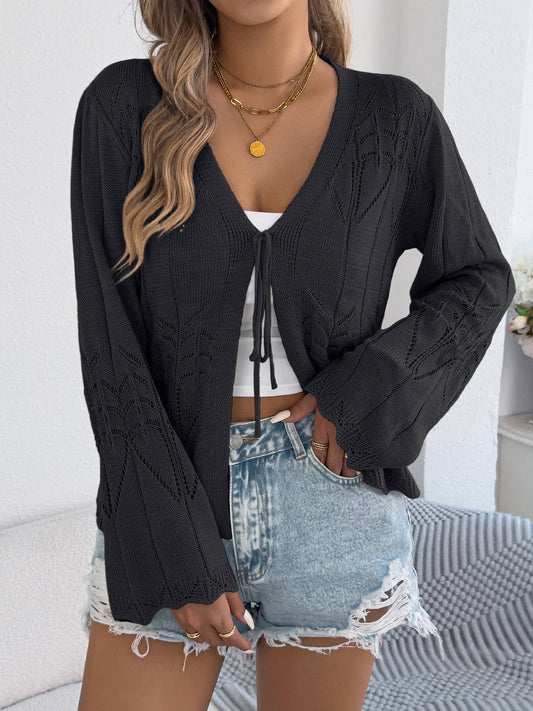
V-Neck Open Knit Tie-Front Cardigan - Black
Regular price $45.00 USDRegular price -
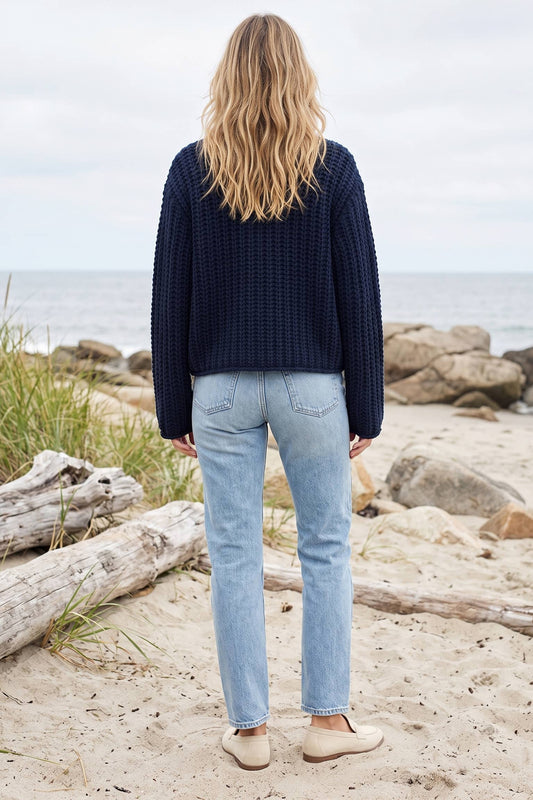
Classic Chunky Knit Cardigan - Navy
Regular price $36.00 USDRegular price -
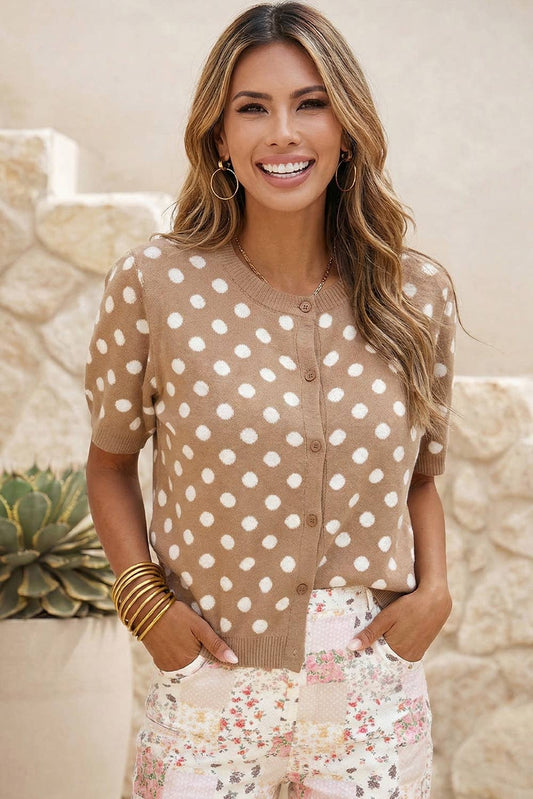
Polka Dot Short Sleeve Button Down Sweater Cardigan - Dark Khaki
Regular price $36.00 USDRegular price -
French Terry Hooded Jacket - Black
Regular price $64.00 USDRegular price -
Corduroy Lace Panel Jacket - Taupe Brown (Plus Size)
Regular price $59.00 USDRegular price















New arrivals land most weeks from Risen, Pol Clothing, Oddi, Young Threads, Leto Accessories, and Origami Apparel. Shop online or visit the Krafty Bandit storefront in Belle Vernon, PA.
What do you wear a kimono over?
A kimono works over almost anything fitted, because its job is to add a layer of pattern and movement without adding bulk. The three that always work: a plain tank and jeans, a simple dress, or a swimsuit as a cover-up. Keep what is underneath solid and relatively close to the body, since a patterned kimono over a patterned top competes with itself. Pull the color of your tank from one of the colors in the kimono and the whole outfit reads intentional. In cooler weather a longline kimono layers over a long sleeve knit the same way a light coat would.
Does size matter on an open-front kimono or cardigan?
Less than on a fitted garment, but it is not irrelevant. Because the front never closes, the bust measurement matters far less than usual. What size does control is the shoulder seam, the sleeve length, and how far the body hangs down. If a kimono is too small the shoulders pull and the sleeves ride up; too large and the shoulder seam drops past your arm and the sleeves swallow your hands. Order your normal size for a standard drape, or one size up if you want a longer, more dramatic hang. Message the shop and we will measure shoulder to hem before you order.
What is the difference between a kimono, a shrug, and a cardigan?
A cardigan is a knit that buttons or zips and is cut to close, even if you wear it open. A kimono is a woven open-front layer with no closure at all, usually longer and lighter, cut straight with wide sleeves. A shrug is the shortest of the three, covering the shoulders and arms and stopping at or above the waist, often cropped and sleeved. In practice: choose a cardigan for warmth, a kimono for drape and pattern, and a shrug when you only want to cover your arms.
Do you carry plus size jackets and cardigans?
Yes. Plus and extended sizes run through this collection alongside the straight sizes rather than sitting in a separate section, including corduroy and denim jackets, longline cardigans, and kimonos. Size ranges differ by brand, so check the sizes listed on the individual product rather than assuming one number carries across. Open-front kimonos and shrugs tend to be the most forgiving across sizes because nothing has to close. For anything structured like a jacket, message the shop and we will measure the actual garment across the shoulders, bust, and sleeve.